Home
Recent News
VBC Code of Good Practice
All members of the VBC subscribe to a voluntary Code of Good Practice to provide guidance for recycling biosolids in Virginia. The guidelines seek to capture current best practices by…
Policy and Rulemaking
General Assembly Advances PFAS Legislation Executive Overview During the 2026 session, the Virginia General Assembly advanced a coordinated PFAS regulatory pathway. Virginia lawmakers adopted a monitor‑and‑manage framework that provides for testing,…
Science Digest
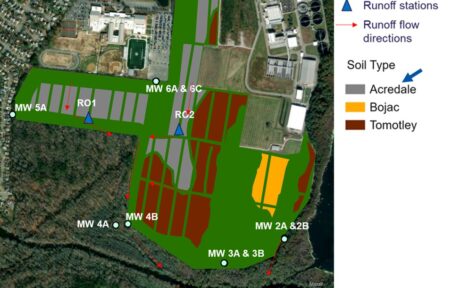
PFAS and Biosolids: What we learned from Purdue’s Progress Farm PFAS Study Beneficial reuse of biosolids as organic fertilizers offers important agronomic and economic benefits, but it can also introduce…
Research
Science Digest
PFAS and Biosolids: What we learned from Purdue’s Progress Farm PFAS Study Beneficial reuse of biosolids as organic fertilizers offers important agronomic and economic benefits, but it can also introduce…
EVAREC Warsaw Study Update
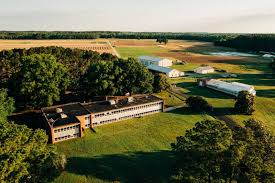
Things have been quiet at the VT-AREC site in Warsaw, VA. The research team were last at the site this past Fall when soybean plant material for Dr. Ian Pepper’s…
BIOSOLIDS 101
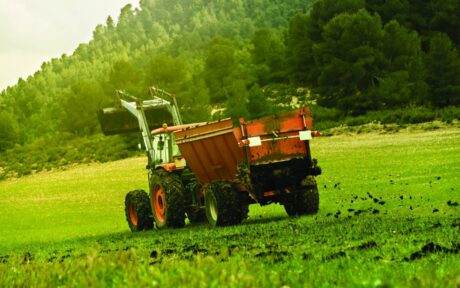
Why Farmers Use BiosolidsFarmers use biosolids because they offer a cost‑effective, reliable source of nutrients, improve soil health, and help manage the rising and unpredictable costs of alternative fertilizers, all…
What Are Biosolids
During the water recycling process, bacteria and other tiny organisms feed on the solid material and break the wastewater down into harmless organic matter. The organic matter combined with bacterial…
About Us
It’s safe. This is supported by overwhelming scientific evidence and over 40 years of practical experience. It’s good for the land. Agriculture application and composting of biosolids benefit the environment…