Science Digest

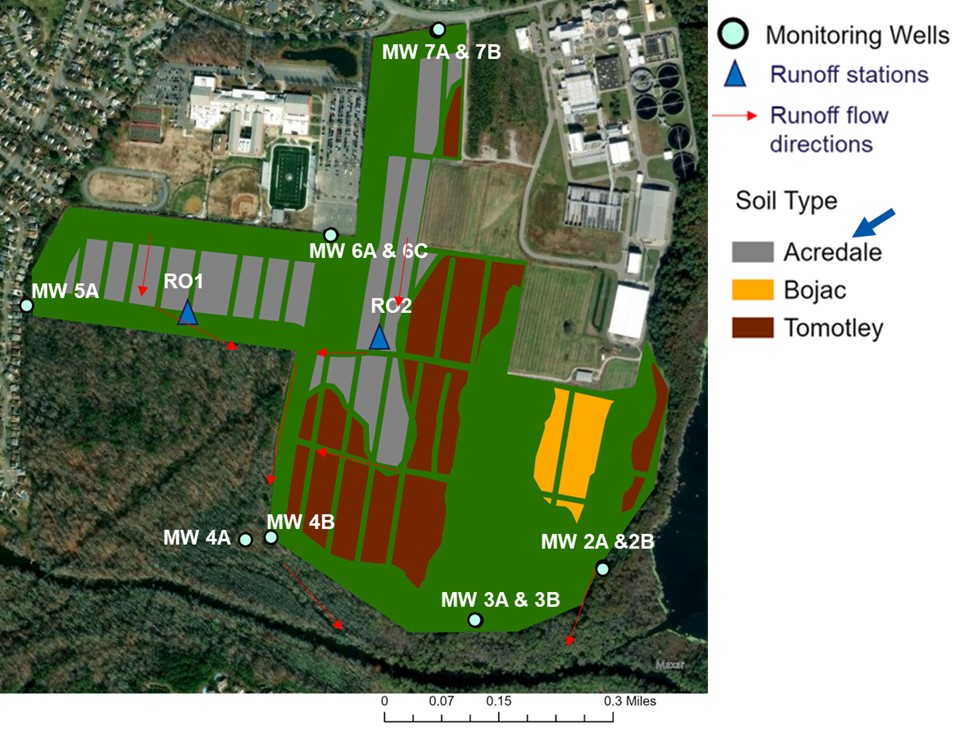
PFAS and Biosolids: What we learned from Purdue’s Progress Farm PFAS Study Beneficial reuse of biosolids as organic fertilizers offers important agronomic and economic benefits, but it can also introduce per- and polyfluoroalkyl substances (PFAS) into agricultural soils. Purdue University studies on Progress Farm evaluated PFAS retention in the vadose zone, the area between the […]
Read More…

EVAREC Warsaw Study Update

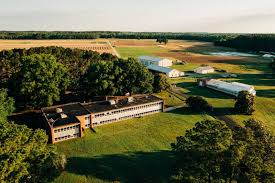
Things have been quiet at the VT-AREC site in Warsaw, VA.  The research team were last at the site this past Fall when soybean plant material for Dr. Ian Pepper’s research group was sampled. This sampling was done as part of the second phase of Dr. Pepper’s National Collaborative PFAS Project.  The objective of Phase 2 […]

Read More…

BIOSOLIDS 101

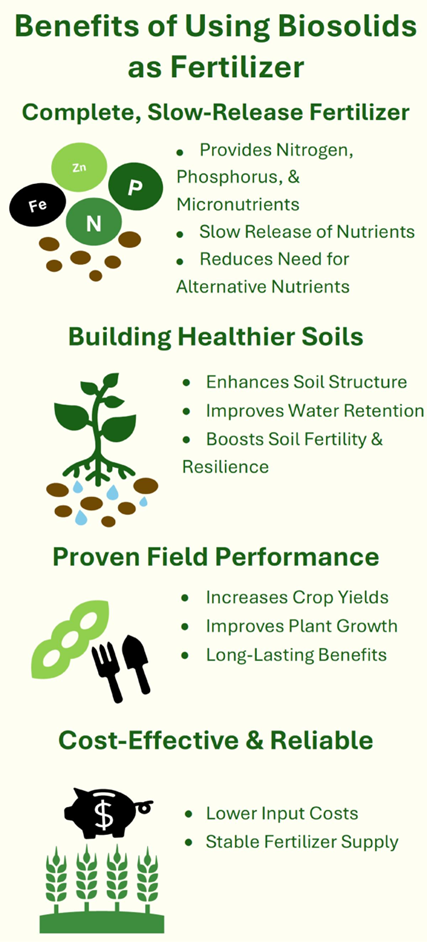
Why Farmers Use BiosolidsFarmers use biosolids because they offer a cost‑effective, reliable source of nutrients, improve soil health, and help manage the rising and unpredictable costs of alternative fertilizers, all while increasing crop yields. A Complete, Slow‑Release Fertilizer Biosolids provide a full range of essential plant nutrients, including nitrogen, phosphorus, sulfur, calcium, and magnesium, along […]

Read More…

Fate & Transport of PFAS from land applied biosolids

SVAREC Project Overview A comprehensive research project to evaluate the fate and transport of PFAS from land applied biosolids is underway at Virginia Tech University’s Shenandoah Valley Agricultural Research and Education Center (SVAREC) in Raphine, VA. A portion of the SVAREC farm has been permitted by VA DEQ for the purpose of conducting research of […]

Read More…

VBC Answers Your Questions

Biosolids are mostly organic solids resulting from the treatment of wastewater. They have undergone additional treatment to kill pathogens and stabilize the material for recycling. During treatment, bacteria and other tiny organisms break sewage down into simpler, harmless organic matter. The organic matter combined with bacterial cell masses settles out to form biosolids. This organic […]

Read More…

VBC Chooses to Contribute to Phase 2 of National PFAS Project

The Council was an early contributor to Phase 1 of the National Collaborative PFAS Project, which created a national network of land application plots where soil PFAS concentrations are now known. Phase 1 of this research evaluated incidence and mobility of biosolids-derived PFAS. The research team, led by Dr. Ian Pepper of the University of Arizona, also analyzed […]

Read More…

State Water Control Board approves final amendments to biosolids research exemption

At its scheduled meeting on June 30, 2025, the Virginia State Water Control Board approved unanimously amendments to biosolids permit requirements following approval of House Bill 2517 (Runion) in the 2025 General Assembly. The legislation amends Section 62.1-44.19:3 of the Code of Virginia to say that permitting requirements shall not apply to any land application of biosolids for a […]

Read More…

An Odor Reminder – EPA’s Research

Every year when the Virginia Biosolids Council reports on its progress in its Code of Good Practice Annual Report, odor is typically, by volume, the number one complaint received by the Department of Environmental Quality. The VBC reported a total of five biosolids-related complaints in 2022. Several years ago, the U.S. EPA compiled a report on […]

Read More…

Virginia locations important to ongoing PFAS Research

Neal Armstrong, the famous American astronaut and the first person to walk on the Moon, once said, “research is creating new knowledge.” The U.S. EPA’s Biosolids Program works to leverage resources and knowledge to meet research needs that ensure the latest science is being used to protect public health and the environment. The Virginia Biosolids […]

Read More…

Report Highlights 45 Years of Biosolids Research

Jim Ippolito, a professor at Colorado State University, is an expert on the years of work on biosolids and its benefits. He and a colleague, Ken Barbarick, recently reviewed 45 years of biosolids land application research. The research was published in the Journal of Environmental Quality, a publication of the American Society of Agronomy, Crop Science Society […]

Read More…